
ERISA Fiduciary Duties for Health Plans: What Employers Need to Know in Today’s Litigation Environment

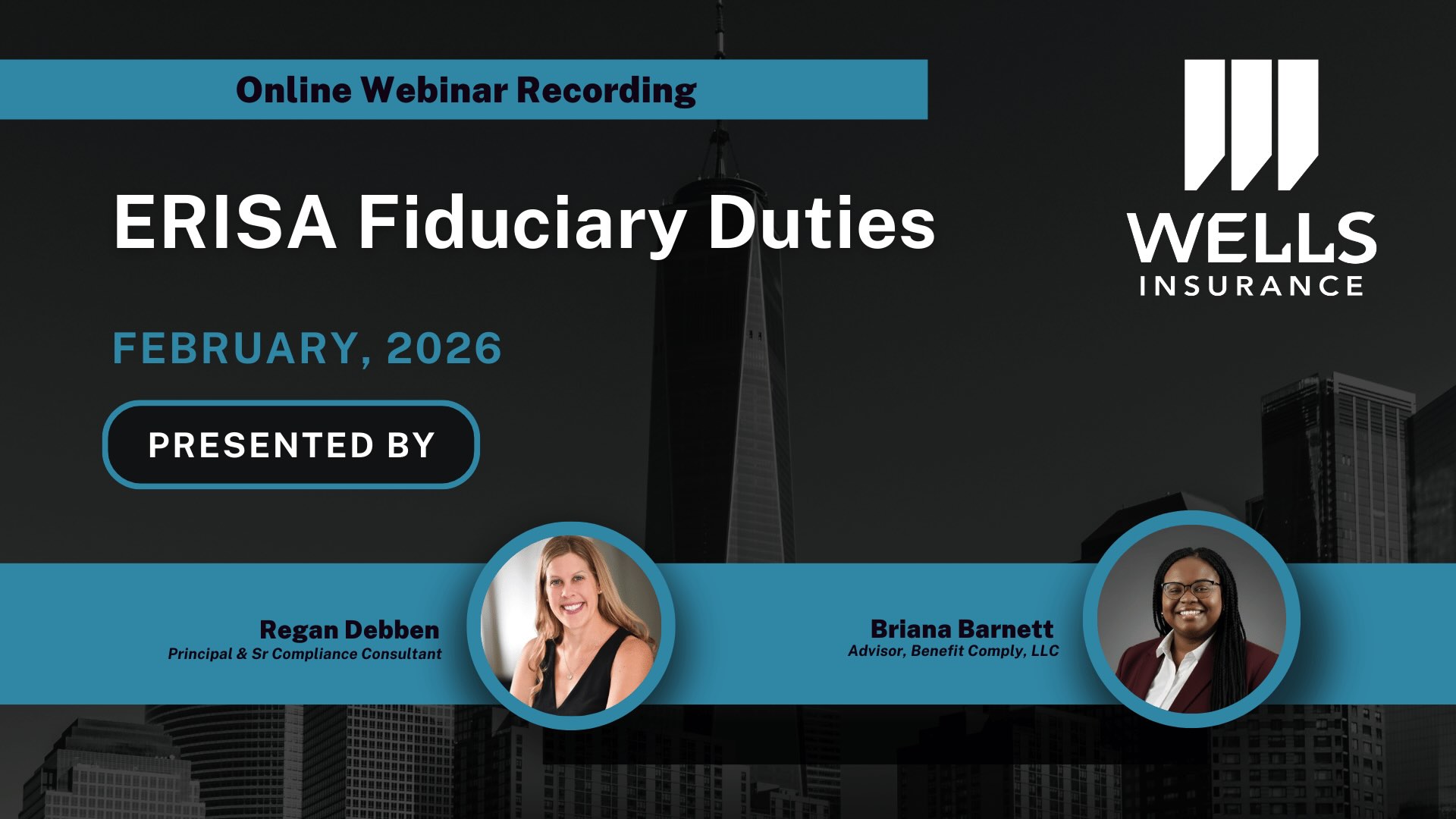
ERISA Fiduciary Duties for Health Plans: What Employers Need to Know in Today’s Litigation Environment
Subscribe to newsletter
Subscribe to receive the latest blog posts to your inbox every week.
Thank you for your submission!
Introduction
ERISA fiduciary responsibility has become a growing area of focus for employers, particularly as litigation around health and welfare benefit plans continues to increase. While the core rules under ERISA have not significantly changed, how those rules are being enforced—and challenged—has evolved.
Recent lawsuits have highlighted how decisions around plan design, vendor selection, and cost management can be scrutinized under fiduciary standards. Even when employers ultimately prevail, the time, cost, and reputational impact of defending these claims can be significant.
For employers, HR leaders, and plan sponsors, the challenge is not just understanding fiduciary duties in theory, but applying them consistently across day-to-day plan operations. This article outlines what fiduciary responsibility means in practice, where employers commonly face risk, and how to approach oversight in a structured, defensible way.
Key Takeaways
- ERISA fiduciary duties are unchanged, but enforcement and litigation are increasing
- Fiduciary status is based on function and decision-making authority, not just title
- Employers cannot outsource fiduciary responsibility, even when using vendors
- Documentation and process matter as much as outcomes in demonstrating compliance
- Vendor selection, compensation, and oversight are key areas of scrutiny
- Voluntary benefits may still fall under ERISA, depending on employer involvement
Why Fiduciary Responsibility Is Getting More Attention
Recent Litigation Trends
Recent lawsuits have primarily focused on how employers:
- Select and monitor vendors (especially pharmacy benefit managers and carriers)
- Manage plan costs and pricing transparency
- Handle potential conflicts of interest
Common allegations include:
- Imprudent vendor selection or oversight
- Failure to monitor fees, rebates, or pricing structures
- Conflicts of interest or self-dealing
While many cases have been dismissed, they still:
- Require significant legal resources to defend
- Create reputational risk
- Signal where regulators and plaintiffs may focus next
Emerging Focus: Voluntary Benefits
A newer wave of litigation is targeting voluntary benefits such as:
- Critical illness
- Hospital indemnity
- Life and disability offerings
These cases raise an important question:
Are voluntary benefits always exempt from ERISA?
In many cases, the answer is no.
When Are Voluntary Benefits Subject to ERISA?
To qualify for ERISA’s voluntary plan safe harbor, all of the following must apply:
- Employees pay 100% of premiums
- Participation is completely voluntary
- Employer involvement is minimal
- No employer endorsement of the plan
Common Triggers That Break Safe Harbor
Employers often unintentionally trigger ERISA by:
- Selecting or recommending a vendor
- Allowing pre-tax payroll deductions through a cafeteria plan
- Using company branding in materials
- Assisting with claims or administration
Because these conditions are difficult to fully meet, many employers take the more conservative approach of treating voluntary benefits as ERISA plans.
Who Is a Fiduciary Under ERISA?
A fiduciary is anyone who:
- Exercises discretionary authority over plan management
- Controls plan assets
- Makes decisions about plan administration
Two Types of Fiduciaries
Named Fiduciaries
- Identified in plan documents or contracts
Functional Fiduciaries
- Not formally named but perform fiduciary functions
Important:
The employer (plan sponsor) is always a fiduciary, regardless of delegation.
Fiduciary vs. Business Decisions
Not all decisions related to benefits are fiduciary in nature.
Fiduciary Decisions
- Selecting and monitoring vendors
- Managing plan assets
- Approving or denying claims
- Ensuring compliance
Business (Settlor) Decisions
- Establishing or terminating a plan
- Designing benefits
- Determining eligibility
Understanding this distinction helps clarify where fiduciary obligations apply.
Core ERISA Fiduciary Duties
Duty of Loyalty
Act solely in the best interest of plan participants, not the employer or third parties.
Duty of Prudence
Use a thoughtful, well-informed, and documented decision-making process.
Duty of Care and Skill
Make informed decisions or seek expert guidance when needed.
What This Looks Like in Practice
Fiduciaries are expected to:
- Follow plan documents consistently
- Monitor vendors and fees
- Ensure compliance with applicable laws
- Communicate clearly with participants
- Maintain thorough documentation
Key point:
A well-documented process can demonstrate compliance even if outcomes are imperfect.
Managing Plan Assets Responsibly
What Counts as Plan Assets?
- Employee contributions
- Rebates, refunds, or dividends
- Funds held in trust (e.g., VEBA arrangements)
How Plan Assets Must Be Used
Plan assets must be used solely for:
- Paying claims or premiums
- Covering reasonable administrative expenses
- Supporting plan operations
They cannot be used for general business purposes.
Timing Matters
Employee contributions must be:
- Transferred as soon as administratively feasible
- Typically within a few business days
- No later than 90 days (in limited circumstances)
Funded vs. Unfunded Plans
- Funded plans: Assets held separately (e.g., trust or VEBA)
- Unfunded plans: Paid from general assets
Funded arrangements create stricter fiduciary obligations, as assets cannot revert to the employer.
Plan Compliance and Documentation
Required Plan Documentation
Employers must maintain:
- Formal plan documents
- Summary Plan Descriptions (SPDs)
These must include:
- Benefits and eligibility
- Named fiduciaries
- Funding structure
- Vendor roles
- Participant rights (ERISA, COBRA, HIPAA, etc.)
Common Risk Area
Inconsistencies between:
- Plan documents
- Actual administration
Even unintentional discrepancies can create compliance exposure.
The Role of Audits
Eligibility Audits
- Verify employees and dependents meet plan requirements
- Identify ineligible participants
Claims Audits
- Review claim accuracy and processing
- Validate cost-sharing and payment integrity
These audits:
- Help control costs
- Protect plan assets
- Identify operational issues early
Vendor Selection and Oversight
Employers Cannot Outsource Responsibility
Even when using:
- TPAs
- PBMs
- Carriers
- Brokers
The employer remains responsible for oversight.
Key Vendor Selection Criteria
- Service quality and responsiveness
- Technology and data security
- Scope of services
- Regulatory compliance
- Cost reasonableness
- Reputation and experience
Ongoing Monitoring Responsibilities
- Establish performance benchmarks
- Conduct regular reviews
- Evaluate fees and disclosures
- Address performance issues promptly
Compensation Transparency
Vendors receiving $1,000+ must disclose:
- Services provided
- Fiduciary status
- Direct and indirect compensation
Employers must:
- Review disclosures
- Assess fee reasonableness
- Monitor changes over time
Common Fiduciary Challenges
Employers often struggle with:
- Managing complex, overlapping responsibilities
- Maintaining consistent vendor oversight
- Keeping documentation organized and current
- Conducting audits and compliance reviews
Common Red Flags
- Missing or inconsistent documentation
- Failure to distribute required notices
- Passive or inactive fiduciary committees
- Lack of vendor benchmarking or review
- Outdated plan documents
Potential Consequences of Gaps
If fiduciary processes break down, risks include:
- Department of Labor audits
- Litigation from participants
- Financial penalties or settlements
- Reputational damage
- Loss of employee trust
A Practical Fiduciary Framework
Governance
- Establish an active benefits or fiduciary committee
- Meet regularly and document decisions
Documentation
- Maintain records of:
- Decisions
- Vendor evaluations
- Compliance activities
Compliance
- Periodically assess obligations across:
- ERISA
- COBRA
- HIPAA
- ACA
Vendor Oversight
- Benchmark fees
- Review performance
- Ensure transparency
Plan Assets
- Handle contributions promptly
- Use assets only for permitted purposes
Final Thoughts
Fiduciary responsibility is less about achieving perfect outcomes and more about demonstrating a consistent, well-reasoned process.
In today’s environment, employers are increasingly expected to:
- Understand how decisions impact participants
- Maintain visibility into vendor relationships
- Document how and why decisions are made
A structured approach to governance, documentation, and oversight can help reduce risk while supporting more informed decision-making across the organization.
Disclaimer
This content is provided for general informational purposes only and is not intended as insurance advice. Coverage, terms, and availability can vary by carrier and state. For guidance specific to your situation, we recommend speaking with a licensed insurance professional.
Contributors