
Preparing a Family Communications Plan for a Hurricane or Disaster

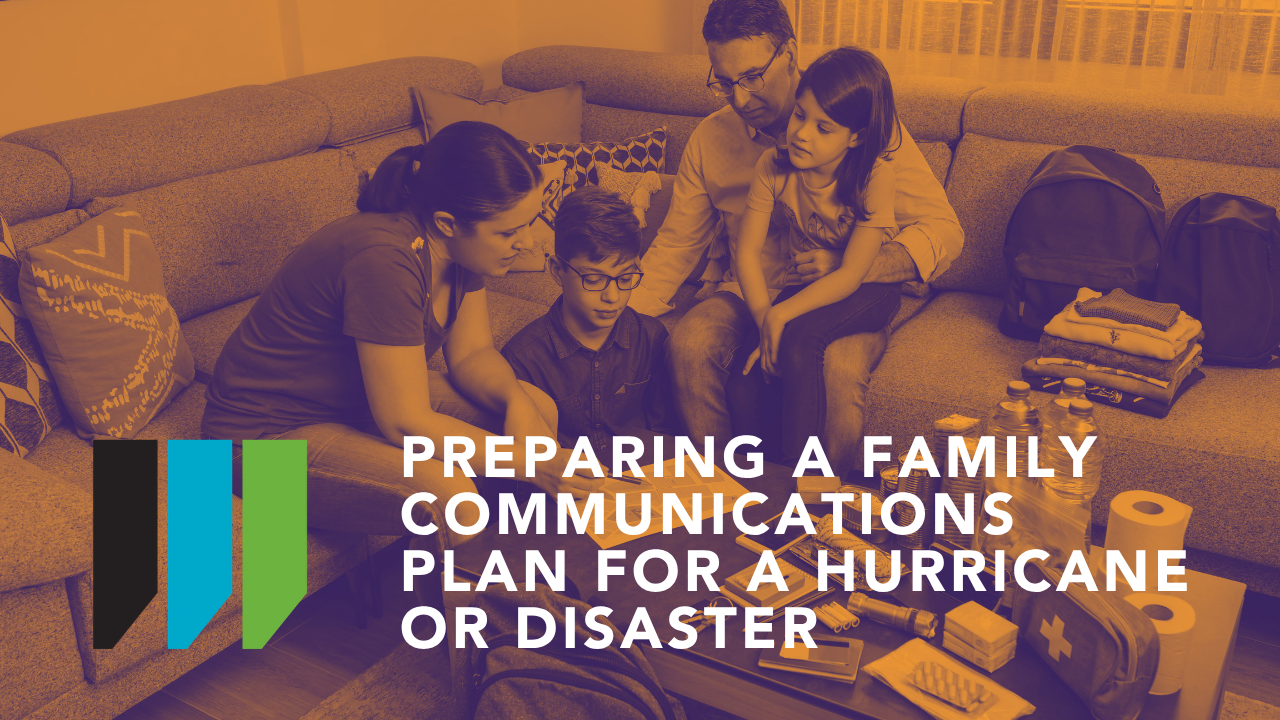
Preparing a Family Communications Plan for a Hurricane or Disaster
Subscribe to newsletter
Subscribe to receive the latest blog posts to your inbox every week.
Thank you for your submission!
Preparing a Family Communications Plan for a Hurricane or Disaster
When disaster strikes, it's important that you and your family know what to do. If you're a parent, grandparent or other loved one of children in the home, this is especially true. That's why we have created this guide to help make sure everyone knows where to go, who to call and what to do when an emergency occurs.
Choose one contact.
You can't have too many people involved in your family communications plan, but you don't want so few that it's difficult to make decisions or keep track of what's going on. This is where the "one contact" rule comes in: pick one person in your family who will be responsible for keeping everyone informed about important events and emergencies.
The best choice for this role is someone who lives nearby. It makes the most sense to choose someone who lives close by if they're going to be the point person when something goes wrong or an emergency arises. But if that's not possible, consider choosing someone that lives far away but is still easy to reach by phone or email (so long as you know there won't be any delays).
Know what to do when you're in touch with your contact.
● Know what to do when you're in touch with your contact.
● Make sure everyone knows how to communicate with each other, and how to stay safe, calm, informed and connected.
● Make sure everyone has the same information: phone numbers (mobile and landline), email addresses (and other contact methods), names of all family members, and where they live.
● Make sure everyone knows each other's passwords for instant messaging and social media accounts so you can get information out quickly if needed.
Talk about what would happen if your house were damaged or destroyed in a flood, fire or other emergency.
You should also talk with your family about what would happen if their house were damaged or destroyed in a flood, fire or other emergency. It’s important to discuss the location of family members (including pets), important documents and items that they need to take with them. For example:
● Where will you meet?
● Who has the keys to the car(s)?
● Where are the car(s) parked?
Also discuss how you can stay in contact during an emergency and how someone can get in touch with each other if separated. Make sure everyone knows their contact phone numbers (and email addresses) and any social media accounts so others can find them.
Determine how you'll reach the contact if you can't get through on phone or text.
However, if you can't get through on phone or text, you'll need a backup plan. Be sure that everyone has a backup plan in place as well. Ask yourself:
● How will we reach each other if we are separated?
● What will happen if we are all in an emergency situation?
● Where could we meet up at the first sign of trouble (e.g., school or work)?
If you become separated, know how you'll reconnect.
It's important to have a plan in place for reconnecting with your loved ones. If one of you becomes separated from the group, what will you do? How will you find each other again? If it's dark or raining and visibility is poor, how long should you wait before calling 911? What are the steps you'll take to ensure that everyone has been accounted for? How will you reunite if someone gets lost (i.e., where would they go)? Do not assume that all of these details are obvious; make sure everyone knows what they're supposed to do in case something goes wrong.
Have a backup plan too—in case something terrible happens, it's good to know how far away help is and who would be able to help out in an emergency situation.
Plan for power outages and other emergencies.
You can use texting, social media, phone calls and email to stay in touch with your family. Keep a list of contacts for each person who lives in the home so you know how to get in touch with them. However, you need to have a plan for no service. Short wave radios and portable solar chargers are good to have on hand and may become necessary until power, internet, and cell service is restored during or after a disaster
If your plan includes getting help from the police or fire department, note the non-emergency number on your list so that you can call it when necessary. Make sure everyone knows how to use their phones and other devices if there's an emergency at home. If you have an older relative who doesn't use technology well or doesn't have access to a computer or smart device, talk with them about how they'd like best communication options during emergencies such as power outages and natural disasters: Would they prefer a landline phone? Would they want someone else calling them?
By planning ahead, everyone in your family will know where to go and what to do during an emergency, whether it's a hurricane or power outage.
Your family communications plan should include information about what to do in an emergency, and how your family will communicate with each other.
● Know where to go: Your plan should include a safe place—your home, school, or work—where everyone can meet if they become separated from each other.
● Know what to do if you can't get through: Make sure that everyone knows their cell phone number or email address so that they can be contacted in an emergency.
● Know how to reconnect: Decide on a meeting place if you're separated from the rest of your group during an emergency.
● Know what to decide when an emergency has passed: Write down specific directions for how you'll get back together after the crisis is over.
Conclusion
If you and your family want to be prepared in the event of a disaster, it's important to create a plan. The first step is deciding who will be your contact person. This person should be someone who is dependable and available at all times, and ideally someone who lives close enough that they can get home quickly if needed. Once you've determined this person's role in your plan, make sure everyone knows who their contact is as well as how many phone numbers or addresses belong in their cell phone contacts list under that name too! Make sure everyone has access to these numbers so they don't get lost during an emergency when trying to reach each other during an evacuation time frame.
Property owners shouldn’t assume their policy includes hurricane coverage. Instead, they should work with their insurance agents to ensure that proper coverage is in place to protect their property in the event of a hurricane. If you have questions regarding hurricane season and how it pertains to your business or commercial insurance, please feel free to reach out us insurance@wellsins.com or 910.762.8551
Contributors