
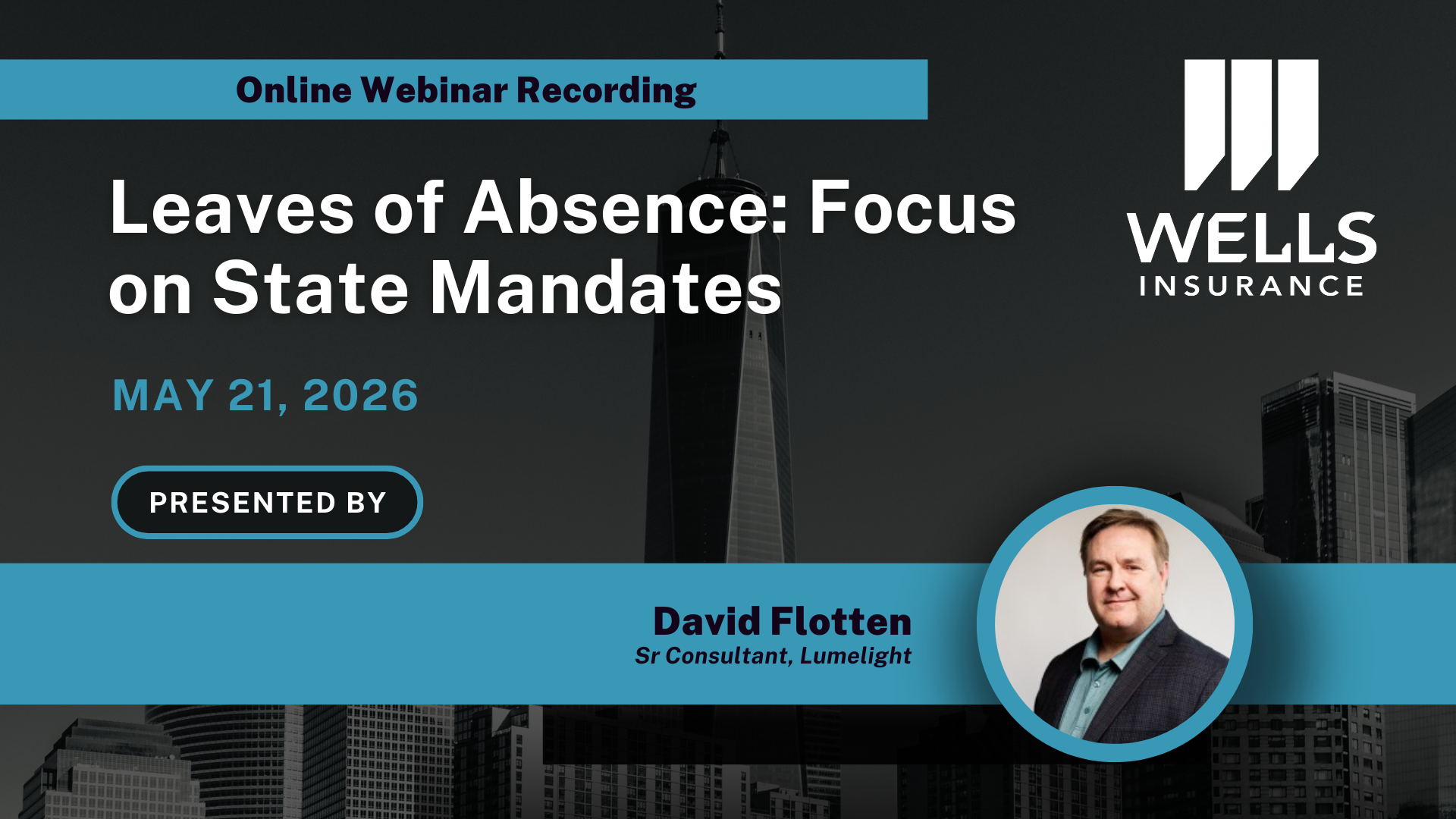
Understanding Leave of Absence Benefits, FMLA, and State PFML Requirements for Employers

Understanding Leave of Absence Benefits, FMLA, and State PFML Requirements for Employers
Subscribe to newsletter
Subscribe to receive the latest blog posts to your inbox every week.
Thank you for your submission!
Introduction
Managing employee benefits during a leave of absence has become increasingly complicated for employers, especially as state paid family and medical leave (PFML) laws continue expanding across the country.
For many HR teams and business leaders, one of the biggest challenges is not simply approving leave. It is determining what happens to benefits during that time. Questions around eligibility, premium payments, COBRA timing, and benefit continuation often create uncertainty, particularly when federal laws, state laws, insurance contracts, and employer policies overlap.
During a recent employee benefits compliance webinar hosted through Assurex Global, compliance consultant David Flotton of Lumelight walked through the practical framework employers should use when handling leave situations. The discussion focused on how employers can create clearer policies, reduce compliance risks, and better manage the growing complexity of state PFML requirements.
This article summarizes the key takeaways and practical considerations employers should understand when reviewing their leave and benefits strategies.
Key Takeaways
- Leave of absence benefit decisions should follow a three-step approach: review applicable laws, review plan documents, then review employer leave policies.
- FMLA requires employers to continue health benefits under the same terms and conditions as active employees.
- Many employers overlook how benefits and employee premium payments should be handled during extended leave.
- State paid family and medical leave laws vary significantly and often apply more broadly than FMLA.
- Short-term disability policies generally do not satisfy PFML requirements on their own.
- Clear, documented leave policies help reduce compliance risks and avoid inconsistent administration.
Why Leave Administration Has Become More Complex
Leave management is no longer limited to federal FMLA compliance. Employers today may need to coordinate:
- Federal FMLA requirements
- State leave laws
- Paid family and medical leave programs
- COBRA obligations
- Short-term disability benefits
- Employer-specific leave policies
- Insurance carrier rules
One of the most common employer questions is:
How Long Can Employees Keep Benefits While on Leave?
According to the webinar discussion, this single question often involves multiple compliance considerations, including:
- Which benefits must continue
- How long coverage can remain active
- What employees must pay during leave
- How premium payments are collected
- What happens if payments are missed
- How benefits are restored when employees return
The answer often depends on several overlapping factors rather than a single rule.
A Three-Step Framework for Leave and Benefits Decisions
The webinar outlined a practical framework employers can use when evaluating leave situations.
Step 1: Determine Whether the Leave Is Legally Protected
The first question is whether a federal or state law applies to the leave.
Common legally protected leave types include:
- Family and Medical Leave Act (FMLA)
- USERRA military leave
- State paid family and medical leave laws
- Certain ADA accommodations
- Pregnancy-related accommodations
- Workers’ compensation-related leave
If a law applies, employers must first follow that law’s requirements regarding benefits continuation and employee protections.
Step 2: Review Plan Documents
If the law does not fully answer the question, employers should review their insurance contracts and benefit plan documents.
This step is frequently overlooked.
Some plans include specific provisions about:
- How long coverage may continue during leave
- Whether benefits terminate after a defined period
- Which benefits may continue
- Restoration requirements upon return to work
Life and disability policies are particularly important to review carefully. Some policies impose strict continuation limits during non-protected leave periods.
Why This Matters
If an employer continues coverage beyond what the policy allows, there is a risk that claims could later be denied.
The webinar highlighted situations where employers unintentionally left life insurance active longer than permitted under the policy, only to face denied claims later.
Step 3: Follow the Employer’s Leave Policy
If neither the law nor the plan documents provide clear guidance, the employer’s internal leave policy becomes the controlling framework.
Employers should clearly define:
- How long benefits continue during non-FMLA leave
- Employee premium responsibilities
- Payment timing and methods
- When COBRA is triggered
- How benefits are restored after leave
Consistency is critical.
Policies that are vague or handled case-by-case can increase the risk of discrimination claims, inconsistent administration, and stop-loss reimbursement disputes.
Understanding FMLA Benefit Requirements
The webinar spent significant time clarifying what FMLA specifically requires.
What Benefits Must Continue During FMLA Leave?
Under FMLA, employers must continue group health benefits under the same terms and conditions as active employees.
This generally includes:
- Medical coverage
- Prescription benefits
- Dental coverage
- Vision coverage
- Health FSAs
- HRAs
- Other health-related benefits
Employees may choose to discontinue coverage voluntarily, but employers cannot require them to lose health coverage solely because they are on FMLA leave.
What About Non-Health Benefits?
Non-health benefits such as:
- Life insurance
- Disability coverage
- AD&D
- Pet insurance
may generally be discontinued during FMLA leave unless employer policies or plan documents state otherwise.
Many employers choose to continue these benefits administratively, but they are not typically required under FMLA.
Employee Premium Payments During Leave
A common operational issue involves collecting employee premium contributions during unpaid leave.
Common Payment Approaches
The webinar discussed three primary methods employers use:
Prepayment
Employees pay premiums before leave begins.
Advantages:
- Allows continued pretax payroll deductions
Challenges:
- Requires advance planning
- Cannot be mandatory under FMLA
Pay-As-You-Go
Employees submit payments during leave.
Employers should clearly communicate:
- Payment due dates
- Accepted payment methods
- Grace periods
- Where payments should be sent
Catch-Up Contributions
Employers cover premiums during leave and recover employee contributions after return to work.
Advantages:
- Easier employee experience
- Allows pretax deductions later
Risks:
- Employees may not return
- Recovery can become difficult
What Happens If Employees Miss Payments?
Under FMLA, employers may terminate coverage for nonpayment, but only after following specific rules.
Employers must provide:
- A 30-day grace period
- A written warning notice at least 15 days before cancellation
The notice must clearly explain when coverage will terminate if payment is not received.
State Paid Family and Medical Leave (PFML) Laws
State PFML laws continue expanding and create additional complexity for employers operating across multiple states.
PFML Laws Continue Growing
The webinar noted that fourteen states plus Washington, D.C. currently have or are implementing PFML programs, with additional proposals continuing to emerge nationwide.
These laws vary significantly by state, including:
- Eligibility rules
- Covered family members
- Benefit duration
- Job protection requirements
- Benefit continuation rules
- Funding mechanisms
PFML Often Applies More Broadly Than FMLA
One major difference between FMLA and PFML is employee eligibility.
Many PFML laws apply to:
- Part-time employees
- New hires
- Small employers
- Employees who may not qualify for FMLA
PFML laws may also recognize broader family relationships than federal FMLA rules, including:
- Grandparents
- Grandchildren
- Domestic partners
- Extended family members
Some states also include leave protections related to domestic violence or sexual assault situations.
PFML Is Not the Same as Short-Term Disability
A key webinar takeaway was that short-term disability coverage generally does not satisfy PFML requirements by itself.
Employers operating in PFML states may need to:
- Participate in a state PFML program
- Purchase a separate private PFML policy
- Apply for approved self-funded arrangements
Employers should also review how PFML benefits interact with existing short-term disability policies to avoid overlapping administration issues.
Why Clear Policies Matter More Than Ever
One of the strongest themes throughout the webinar was the importance of documented, consistent leave administration practices.
Employers without clear policies may face:
- Inconsistent employee treatment
- Increased compliance exposure
- COBRA administration problems
- Stop-loss reimbursement disputes
- Insurance claim complications
As leave laws continue evolving, especially at the state level, employers benefit from regularly reviewing:
- Leave policies
- Benefit eligibility rules
- Insurance contracts
- Payroll deduction procedures
- Coordination between HR, payroll, and benefits administration
Final Considerations for Employers
Leave administration is no longer a simple HR process. It now requires coordination between compliance requirements, insurance plan terms, payroll systems, and internal policy decisions.
Employers that proactively review their leave and benefits practices are often better positioned to:
- Reduce confusion for employees
- Improve consistency
- Limit compliance risks
- Avoid unexpected coverage disputes
For organizations operating across multiple states, periodic reviews become especially important as PFML laws continue to evolve.
Disclaimer
This content is provided for general informational purposes only and is not intended as insurance advice. Coverage, terms, and availability can vary by carrier and state. For guidance specific to your situation, we recommend speaking with a licensed insurance professional.
Contributors

.avif)